Why Water Pooling Around Your Home’s Foundation Is a Serious Eavestrough Issue
- theeavestroughguy8
- May 9
- 7 min read
Water pooling around your home’s foundation may seem like a small problem at first. After all, a few puddles after heavy rain might not look dangerous. However, over time, standing water around the base of your house can lead to expensive structural damage, basement leaks, mold growth, and landscaping issues. In many cases, the real cause of this problem is a damaged or poorly functioning eavestrough system.
At The Eavestrough Guy, we help homeowners in Oshawa, ON protect their homes with professional gutter cleaning, roofing services, and eavestrough installation. Understanding how your eavestrough system affects your foundation is essential if you want to avoid costly repairs in the future.
In this article, we will explain why water pooling around your foundation is a serious issue, what causes it, how your eavestrough system plays a role, and what you can do to prevent long-term damage.

What Does Water Pooling Around the Foundation Mean?
Water pooling happens when rainwater collects around the base of your home instead of draining safely away. Normally, your eavestroughs and downspouts should direct water several feet away from your property. However, when the system fails, water begins to accumulate near the foundation walls.
This problem often becomes noticeable during:
Heavy rainstorms
Snowmelt in early spring
Long periods of wet weather
After clogged gutter overflow
Although small puddles may disappear after a few hours, repeated exposure to moisture can slowly weaken your home’s foundation.
Why Your Eavestrough System Matters
Your eavestrough system is designed to collect rainwater from your roof and move it safely away from your home. Without a properly working system, water simply pours off the roof edges and lands directly beside the foundation.
A complete eavestrough system includes:
Gutters
Downspouts
Splash guards
Hangers and fasteners
Drainage extensions
When even one part of the system fails, water management becomes ineffective. As a result, your foundation absorbs more moisture than it should.
Common Eavestrough Problems That Cause Water Pooling
1. Clogged Gutters
One of the most common causes of pooling water is clogged gutters. Leaves, dirt, twigs, and roof debris can block the flow of water inside the gutter channels.
Instead of moving toward the downspouts, water spills over the sides and lands near the foundation.
Signs of clogged gutters include:
Overflowing water during rain
Plants growing inside gutters
Sagging gutter sections
Water stains on siding
Regular gutter cleaning is extremely important, especially during fall and spring in Oshawa.
2. Improper Downspout Placement
Sometimes the gutters themselves work properly, but the downspouts release water too close to the home.
Ideally, downspouts should direct water at least 4 to 6 feet away from the foundation. If they end too close to the house, the soil around the foundation becomes saturated quickly.
This is particularly problematic in areas with clay-heavy soil because water drains slowly and expands the ground pressure around the basement walls.
3. Damaged or Leaking Eavestroughs
Cracks, holes, rust, and separated gutter joints can leak water continuously. Even small leaks may create major problems over time because the water repeatedly falls in the same area.
In Oshawa’s freeze-thaw climate, damaged gutters often worsen during winter. Ice buildup can expand cracks and loosen gutter fasteners.
As a result, water control becomes even less effective.
4. Incorrect Gutter Slope
Eavestroughs must be installed at the correct angle so water naturally flows toward the downspouts.
If the slope is too flat or angled incorrectly:
Water remains trapped inside the gutter
Overflow occurs during rainstorms
Standing water causes rust and deterioration
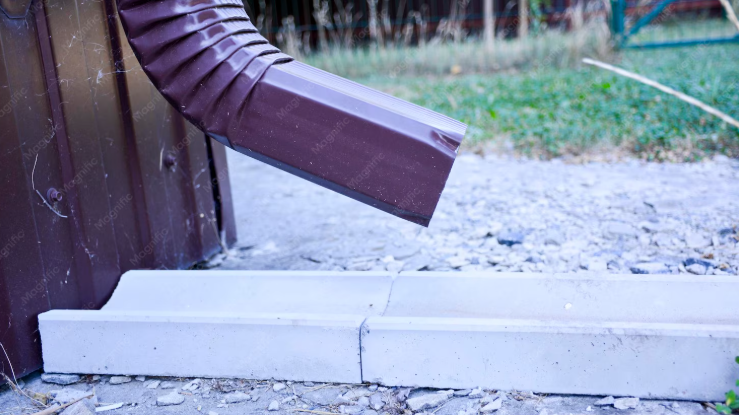
Poor installation is a major reason why homeowners experience recurring drainage issues.
5. Missing Gutter Extensions
Sometimes homeowners overlook the importance of gutter extensions. Without extensions, downspouts discharge large amounts of water directly beside the home.
This can quickly create muddy soil, erosion, and foundation stress.
Fortunately, adding proper extensions is a simple and affordable solution.
Why Pooling Water Around the Foundation Is Dangerous
Foundation Cracks
One of the biggest risks is foundation cracking. When soil around the home becomes saturated, it expands and places pressure on foundation walls.
Over time, this pressure can create:
Small hairline cracks
Bowing walls
Structural shifting
Major foundation instability
Even tiny cracks allow water to seep into the basement.
Basement Flooding
Water naturally follows the path of least resistance. Once foundation cracks develop, water begins entering your basement.
Basement flooding can damage:
Flooring
Drywall
Furniture
Electrical systems
Stored belongings
In addition, repeated moisture exposure creates unhealthy living conditions.
Mold and Mildew Growth
Excess moisture around the foundation often leads to mold growth inside the basement or crawlspace.
Mold thrives in damp, dark environments. Unfortunately, mold can spread quickly and affect indoor air quality.
Common signs include:
Musty odors
Discolored walls
Allergy symptoms
Increased humidity indoors
Addressing the source of water is critical for preventing mold problems.
Soil Erosion
Overflowing water can wash away soil around your property. Over time, erosion affects landscaping and weakens the stability of walkways, driveways, and patios.
You may notice:
Exposed roots
Uneven ground
Sunken landscaping
Damaged flower beds
Proper drainage helps preserve both your home and your yard.
Damage to Siding and Exterior Walls
When gutters overflow repeatedly, water often splashes against siding and exterior walls.
This can lead to:
Wood rot
Paint damage
Staining
Mold growth
Premature siding deterioration
Over time, exterior repairs become expensive if water management problems continue.
Seasonal Challenges in Oshawa, ON
Homeowners in Oshawa face unique weather conditions throughout the year. Seasonal changes can make eavestrough issues even worse.
Winter Ice Dams
During winter, snow melts and refreezes near roof edges, creating ice dams. These ice formations block proper drainage and force water underneath shingles or over gutter edges.
Ice buildup can also pull gutters away from the roofline.
Spring Rainfall
Spring often brings heavy rain and rapid snowmelt. If gutters are clogged with winter debris, water overflow becomes unavoidable.
This is one of the most common times homeowners notice foundation puddling.
Autumn Leaves
Falling leaves quickly fill eavestroughs during autumn. Without seasonal gutter cleaning, blockages form rapidly.
Routine maintenance before winter is essential.
Warning Signs You Should Never Ignore
Many homeowners wait too long before addressing drainage issues. However, early action can prevent major repairs.
Watch for these warning signs:
Water stains on foundation walls
Standing water near the home
Basement dampness
Overflowing gutters
Cracked concrete
Peeling paint
Sagging gutters
Mold smells indoors
If you notice several of these signs together, your eavestrough system likely needs professional attention.
How Professional Eavestrough Services Help
Thorough Gutter Cleaning
Professional cleaning removes:
Leaves
Mud
Roof granules
Twigs
Animal nests
Clean gutters allow water to move efficiently through the system.
Proper Eavestrough Installation
A professionally installed system ensures:
Correct slope alignment
Secure fastening
Leak prevention
Efficient drainage
Seamless eavestrough systems are especially effective because they reduce leak points.
Downspout Optimization
Professionals can reposition downspouts and install extensions to move water safely away from the foundation.
This significantly reduces soil saturation.
Roof and Drainage Inspection
Roofing contractors also inspect roofing materials, flashing, and drainage patterns to identify hidden water problems before they worsen.
Preventing Water Pooling Around Your Home
Schedule Regular Gutter Cleaning
Most homes should have gutters cleaned at least twice per year.
However, homes surrounded by trees may require more frequent service.
Install Gutter Guards
Gutter guards help reduce debris buildup and improve water flow.
Although they do not eliminate maintenance completely, they significantly reduce clogging problems.
Extend Downspouts
Adding downspout extensions is one of the easiest ways to improve drainage around the foundation.
The farther water moves from the house, the lower the risk of foundation damage.
Inspect Gutters After Storms
Strong winds and heavy rain can damage gutter systems unexpectedly.
After major storms, inspect for:
Loose sections
Overflow marks
Detached downspouts
Sagging gutters
Address Small Repairs Quickly
Minor gutter damage often becomes major structural damage when ignored.
Fixing leaks early saves money over time.
Why Homeowners Should Act Quickly
Some homeowners delay gutter repairs because the problem seems minor. Unfortunately, water damage becomes more expensive the longer it continues.
Foundation repairs can cost thousands of dollars. Basement waterproofing, mold remediation, and structural repairs also add significant expense.
By comparison, regular eavestrough maintenance is far more affordable and helps prevent long-term damage.
Protecting your drainage system today can save you from major repair bills tomorrow.
Choosing the Right Eavestrough Contractor in Oshawa
When hiring a roofing or gutter contractor, look for:
Local experience
Positive customer reviews
Proper insurance
Quality materials
Transparent pricing
Knowledge of Oshawa weather conditions
Experienced professionals understand how local climate patterns affect drainage systems throughout the year.
Final Thoughts
Water pooling around your home’s foundation is not just a cosmetic issue. It is often a warning sign that your eavestrough system is failing to protect your property properly.
Clogged gutters, damaged downspouts, poor drainage, and improper installation can all lead to serious foundation problems if left untreated. Fortunately, regular maintenance and professional eavestrough services can prevent these issues before they become costly.
At The Eavestrough Guy, we help homeowners in Oshawa, ON keep their gutter systems working efficiently year-round. Whether you need gutter cleaning, eavestrough installation, or roofing support, maintaining proper water drainage is one of the smartest investments you can make for your home.
FAQs
1. Why is water pooling around my foundation dangerous?
Water pooling can weaken your foundation, cause basement leaks, create mold growth, and lead to expensive structural repairs over time.
Short Answer:
Pooling water damages your foundation and increases the risk of leaks and mold.
2. How often should gutters be cleaned in Oshawa?
Most homeowners should clean gutters at least twice yearly, especially during spring and fall.
Short Answer:
Clean your gutters at least two times per year.
3. Can clogged gutters really cause foundation damage?
Yes. Overflowing gutters dump water near the foundation, saturating the soil and increasing pressure on foundation walls.
Short Answer:
Yes, clogged gutters can eventually damage your foundation.
4. How far should downspouts extend from the house?
Downspouts should direct water at least 4 to 6 feet away from the foundation.
Short Answer:
Water should drain at least 4–6 feet away from your home.
5. What are the signs that my eavestrough system needs repair?
Common signs include overflowing gutters, sagging sections, leaks, water stains, basement dampness, and standing water near the home.
Short Answer:
Overflow, leaks, sagging gutters, and basement moisture are major warning signs.
Contact Us professional gutter cleaning & eavestrough installation in Oshawa, ON
Company Name: The Eavestrough Guy
Phone Number: +1 905-409-9903
Address: 296 Phillip Murray Ave, Oshawa, ON L1J 6N8
Visit our website: Click here
Find Us On Map: View On Google Map
More Details: Click Now
Get derection: Click Now


Comments