Why Regular Roof Edge Inspections Are Essential for Preventing Hidden Water Issues
- theeavestroughguy8
- Jul 6
- 6 min read
What Are Regular Roof Edge Inspections?
Regular roof edge inspections are preventive maintenance checks that focus on the outer edges of a roof, including gutters, eavestroughs, fascia, soffits, flashing, and drip edges. These inspections help identify hidden water issues such as clogged gutters, damaged flashing, loose shingles, wood rot, ice dam damage, and early signs of leaks before they become costly repairs. Scheduling roof edge inspections at least twice a year helps protect your home's structure, improves drainage, extends the lifespan of your roofing system, and reduces the risk of interior water damage.

Why Regular Roof Edge Inspections Are Essential for Preventing Hidden Water Issues
Many homeowners assume their roof is in excellent condition simply because they don't notice water dripping from the ceiling. Unfortunately, water damage often begins where it is least visible—the roof edges.
The edge of your roof is constantly exposed to rain, snow, ice, wind, and debris. Over time, even minor damage around the roof perimeter can allow water to enter beneath roofing materials, leading to expensive structural problems.
Fortunately, routine roof edge inspections help identify these hidden issues before they worsen. Instead of waiting until a leak appears inside your home, homeowners can address small problems early and avoid major repair costs.
If you own a home in Oshawa, Ontario, regular inspections become even more important because of the region's changing seasons, heavy rainfall, freezing winters, and melting snow.
Let's explore why roof edge inspections matter and how they protect your home.
Understanding the Roof Edge System
Your roof edge consists of several important components that work together to move water safely away from your home.
These include:
Gutters
Eavestroughs
Fascia boards
Soffits
Drip edge flashing
Roof flashing
Starter shingles
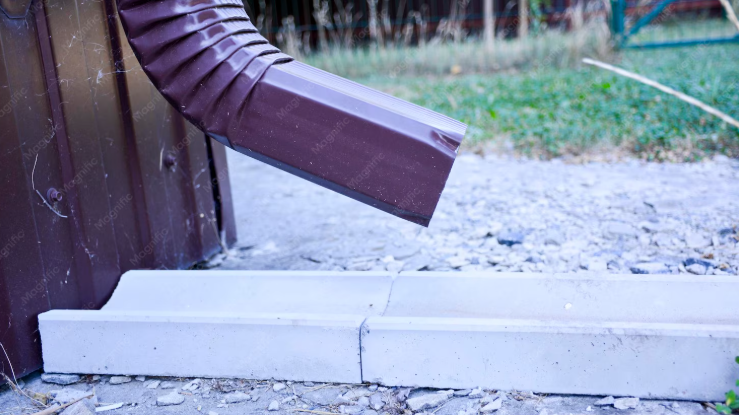
Downspouts
Although each component has its own purpose, they all contribute to one goal—keeping water outside your home.
If just one part fails, moisture can slowly enter areas you cannot easily see.
Why Water Problems Usually Start at Roof Edges
The roof edge experiences the greatest amount of water movement during every rainfall.
Rainwater flows downhill before entering gutters and downspouts.
When anything interrupts this flow, water begins searching for another path.
Instead of draining properly, it may:
Flow behind gutters
Enter beneath shingles
Soak fascia boards
Rot roof decking
Damage insulation
Leak into attic spaces
Create mold growth
Because these problems develop slowly, homeowners often don't notice them until repairs become expensive.
Hidden Water Damage Can Cost Thousands
One of the biggest dangers of hidden water intrusion is that it spreads silently.
A tiny leak around damaged flashing can eventually affect:
Wooden roof framing
Interior ceilings
Drywall
Electrical wiring
Insulation
Flooring
Exterior siding
Repairing structural water damage typically costs far more than fixing a clogged gutter or replacing damaged flashing.
Preventive inspections are therefore one of the most affordable investments homeowners can make.
Common Problems Found During Roof Edge Inspections
Professional inspections often reveal issues homeowners overlook.
These commonly include:
Clogged Gutters
Leaves, twigs, pine needles, and roofing granules block water flow.
Overflowing gutters allow water to spill behind fascia boards.
Loose Gutters
Over time, gutter fasteners loosen.
Sagging gutters create standing water that accelerates rust and deterioration.
Damaged Flashing
Flashing seals vulnerable roof joints.
Cracks or lifting flashing allow rainwater beneath roofing materials.
Rotting Fascia Boards
Continuous moisture exposure weakens wooden fascia.
Rot spreads quickly if ignored.
Ice Dam Damage
Ontario winters frequently create ice dams.
Melting snow becomes trapped behind frozen ice, forcing water beneath shingles.
Shingle Damage
Wind can lift shingles near roof edges.
Small gaps allow water infiltration during storms.
Animal Damage
Birds, squirrels, raccoons, and insects often damage soffits and fascia while searching for shelter.
These openings provide another path for moisture.
The Importance of Seasonal Roof Edge Inspections
Every season affects your roofing system differently.
Spring
Winter snow and ice often leave hidden damage.
Spring inspections identify:
Ice dam damage
Loose flashing
Broken shingles
Gutter blockages
Summer
Strong UV rays slowly weaken roofing materials.
Summer inspections help detect:
Dry cracking
Warped flashing
Heat-related expansion damage
Fall
Leaves quickly clog gutters.
Cleaning before winter reduces the risk of overflowing water and ice dams.
Winter
Although inspections may be limited during severe weather, monitoring snow buildup remains important.
Heavy snow increases stress on roof edges.
How Roof Edge Inspections Protect Your Foundation
Most homeowners associate gutters with roof protection.
However, gutters also protect the home's foundation.
When gutters overflow, water collects around the base of your house.
Eventually this may cause:
Foundation cracks
Basement leaks
Soil erosion
Landscape damage
Maintaining proper drainage keeps water moving safely away from your property.
Preventing Mold Before It Starts
Moisture trapped inside roof cavities creates ideal conditions for mold.
Mold growth affects:
Indoor air quality
Insulation performance
Wooden framing
Family health
Routine inspections detect moisture before mold develops.
Extending the Life of Your Roof
Roof replacement is one of the largest home maintenance expenses.
Fortunately, regular inspections help maximize your roof's lifespan.
By repairing minor issues early, homeowners reduce wear caused by continuous moisture exposure.
Small repairs today often delay full roof replacement for years.
Energy Efficiency Benefits
Water-damaged insulation loses much of its effectiveness.
As insulation becomes wet:
Heating costs increase
Cooling efficiency decreases
Indoor comfort declines
Preventing water intrusion helps maintain energy efficiency throughout the year.
Warning Signs You Shouldn't Ignore
Homeowners should schedule an inspection if they notice:
Water stains on ceilings
Overflowing gutters
Peeling exterior paint
Sagging gutters
Dripping fascia
Loose shingles
Mold near soffits
Damp attic insulation
Rusted flashing
Ice dams during winter
Ignoring these warning signs usually results in larger repairs later.
DIY Inspection vs Professional Inspection
While homeowners can perform basic visual inspections from the ground, professional inspections provide a much more thorough evaluation.
Professionals inspect:
Flashing condition
Roof decking
Hidden moisture
Drainage slope
Gutter attachment
Fascia integrity
Soffits
Ventilation
Experienced roofing contractors also recognize early warning signs that many homeowners miss.
Why Oshawa Homes Need Regular Roof Edge Inspections
Homes throughout Oshawa experience a wide range of weather conditions.
Throughout the year, roofing systems must withstand:
Heavy rain
Snow accumulation
Freeze-thaw cycles
High winds
Ice buildup
Falling leaves
These seasonal changes place continuous stress on gutters, flashing, fascia boards, and roof edges.
Routine inspections help homeowners stay ahead of weather-related damage.
Why Homeowners Trust The Eavestrough Guy
The Eavestrough Guy proudly provides professional roofing contractor services, gutter cleaning, and eavestrough installation throughout Oshawa, ON. Our experienced team understands that the roof edge is one of the most vulnerable areas of any home, which is why we focus on identifying small issues before they develop into costly water damage.
Our roof edge inspections are designed to evaluate gutters, eavestroughs, flashing, fascia, soffits, drainage systems, and surrounding roofing materials with careful attention to detail. By detecting hidden problems early, we help homeowners protect their roofs, foundations, insulation, and interiors while extending the life of their entire roofing system.
Whether you need seasonal gutter cleaning, professional eavestrough installation, roof maintenance, or expert roofing services, The Eavestrough Guy delivers dependable workmanship, honest recommendations, and long-term solutions tailored to Oshawa's changing climate. Our commitment to preventative maintenance, quality craftsmanship, and exceptional customer service makes us a trusted choice for homeowners looking to prevent hidden water issues before they become expensive repairs.
Simple Roof Maintenance Tips
To reduce the risk of hidden water damage:
Clean gutters at least twice each year.
Trim overhanging tree branches.
Check downspouts after heavy storms.
Remove debris from roof valleys.
Inspect fascia boards regularly.
Watch for loose shingles.
Schedule professional inspections annually.
Repair small problems immediately.
Consistent maintenance always costs less than emergency repairs.
Final Thoughts
Water damage rarely begins with a dramatic roof leak. Instead, it often starts quietly around the roof edges, where clogged gutters, damaged flashing, loose shingles, or deteriorating fascia allow moisture to enter unnoticed.
Regular roof edge inspections provide an effective way to identify these hidden problems before they escalate into costly structural repairs. By investing in preventive maintenance, homeowners can protect their roofing system, improve drainage, preserve energy efficiency, and extend the lifespan of their homes.
For homeowners in Oshawa, where changing weather conditions place constant stress on roofing systems, routine inspections are one of the smartest ways to safeguard your property year-round.
Frequently Asked Questions (FAQs)
1. How often should roof edge inspections be performed?
Most homes should have professional roof edge inspections at least twice a year, typically during spring and fall, along with additional inspections after major storms.
2. What areas are included in a roof edge inspection?
A roof edge inspection typically includes gutters, eavestroughs, fascia boards, soffits, flashing, drip edges, shingles near the roof perimeter, and downspouts.
3. Can clogged gutters really damage my roof?
Yes. Clogged gutters can cause water to overflow behind the fascia, seep beneath shingles, rot wood, and eventually create interior leaks.
4. Why are roof edge inspections especially important in Oshawa?
Oshawa experiences heavy rain, snow, freeze-thaw cycles, and ice buildup, all of which increase the likelihood of hidden water damage around roof edges.
5. Can regular inspections extend the life of my roof?
Absolutely. Identifying and repairing small issues early helps prevent long-term water damage, reduces repair costs, and significantly extends the lifespan of your roofing system.
Contact Us professional gutter cleaning & eavestrough installation in Oshawa, ON
Company Name: The Eavestrough Guy
Phone Number: +1 905-409-9903
Address: 296 Phillip Murray Ave, Oshawa, ON L1J 6N8
Visit our website: Click here
Find Us On Map: View On Google Map
More Details: Click Now
Get derection: Click Now


Comments