What Happens When Eavestrough Water Is Not Directed Away from Your Home
- theeavestroughguy8
- Mar 10
- 7 min read
Homeowners often focus on the roof when thinking about protecting their property from rain and snow. However, the system that moves water away from the roof is just as important. Your eavestroughs, commonly known as gutters, play a crucial role in protecting the structure of your home. When they work properly, they safely carry rainwater from the roof and direct it away from the foundation.
However, when eavestrough water is not directed away from your home, serious problems can occur over time. Water may collect near the foundation, damage landscaping, weaken structural components, and even cause basement flooding.
At The Eavestrough Guy, we provide professional roofing services, gutter cleaning, and eavestrough installation in Oshawa. Through years of experience, we have seen how improper water drainage can lead to costly repairs for homeowners. In this guide, we will explain what happens when eavestrough water is not directed away from your home, why it matters, and how proper gutter maintenance can prevent these issues.

Understanding How Eavestrough Systems Work
Before discussing the problems, it is helpful to understand how a typical eavestrough system works.
Your eavestrough system includes several parts:
Gutters attached along the roof edge
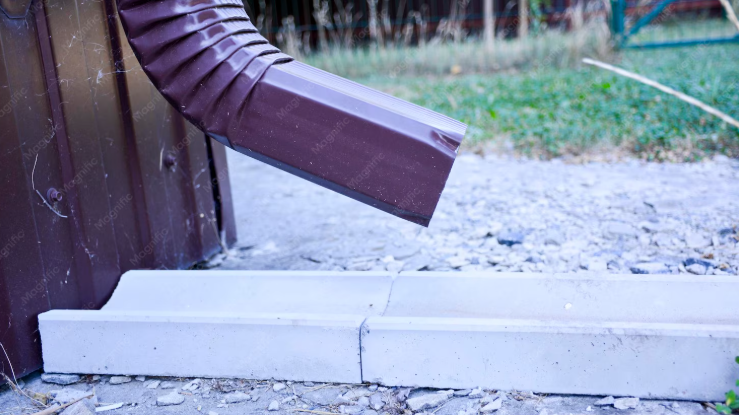
Downspouts that carry water down the walls
Extensions or splash blocks that direct water away from the house
When it rains, water flows off the roof into the eavestroughs. From there, it travels through downspouts and is released several feet away from the home.
Ideally, water should drain at least 6–10 feet away from the foundation. This prevents moisture from accumulating around the base of the house.
However, if downspouts are too short, clogged, or improperly positioned, water will fall directly beside the foundation. Over time, this can create several serious problems.
Foundation Damage and Structural Problems
One of the most significant risks of poor eavestrough drainage is foundation damage.
The foundation supports the entire structure of your home. Unfortunately, excessive moisture near the foundation can weaken the surrounding soil.
How Water Affects Foundations
When water repeatedly collects near the foundation:
The soil becomes saturated.
The pressure against the foundation walls increases.
Small cracks may begin to form.
Over time, these cracks can expand.
As a result, the stability of your home may be compromised.
In colder climates like Ontario, freeze-thaw cycles make this issue even worse. Water trapped near the foundation freezes during winter and expands. Consequently, this expansion can push against the concrete and cause cracks or shifting.
Basement Flooding and Water Intrusion
Another common consequence of poor gutter drainage is basement flooding.
When water pools around your foundation, it will naturally look for ways to enter your home. Even tiny cracks in foundation walls or floors can allow moisture to seep inside.
Signs of Basement Water Problems
You may notice several warning signs, including:
Damp or musty smells
Water stains on basement walls
Mold or mildew growth
Peeling paint
Standing water during heavy rain
If left unresolved, these issues can become more serious and expensive to repair.
Therefore, properly directing eavestrough water away from your home is one of the simplest ways to reduce the risk of basement moisture problems.
Soil Erosion Around Your Property
Another overlooked problem caused by poor eavestrough drainage is soil erosion.
When water constantly pours out of a downspout near your house, it can wash away soil over time.
Why Soil Erosion Matters
Soil erosion can lead to several issues:
Uneven ground around the foundation
Exposed foundation walls
Damage to landscaping features
Poor drainage patterns around the property
Eventually, erosion can create dips and channels that cause water to flow back toward the house rather than away from it.
As a result, a small drainage issue can gradually turn into a larger property maintenance problem.
Damage to Landscaping and Gardens
Many homeowners invest significant time and money into their landscaping. Unfortunately, uncontrolled eavestrough water can damage these outdoor features.
Common Landscaping Problems
When downspouts discharge water too close to the house, they may:
Flood flower beds
Wash away mulch or soil
Damage plant roots
Create muddy areas in the yard
Furthermore, constant water flow can stress plants and cause them to die.
Proper drainage solutions help maintain a healthy landscape while protecting your home at the same time.
Siding and Exterior Wall Damage
Improperly directed water can also damage the exterior surfaces of your home.
When water splashes against siding or brick repeatedly, it may cause:
Paint peeling
Wood rot
Mold or mildew growth
Staining on exterior walls
Over time, moisture trapped behind siding materials can lead to structural deterioration.
This is particularly common in homes with clogged gutters or short downspouts that allow water to overflow directly against the walls.
Ice Dams and Winter Problems
Cold weather can create additional issues when eavestrough water is not managed properly.
During winter in Oshawa, melting snow can refreeze along roof edges and inside gutters. This leads to the formation of ice dams.
Why Ice Dams Are Dangerous
Ice dams can:
Block proper drainage
Force water under roof shingles
Cause roof leaks
Damage insulation and ceilings
Moreover, the added weight of ice can strain gutter systems and cause them to pull away from the roof.
Regular gutter cleaning and proper drainage help reduce the likelihood of ice dam formation.
Pest and Insect Problems
Standing water near your home can attract unwanted pests.
For example, stagnant water around downspouts can create ideal breeding conditions for mosquitoes. Additionally, damp environments may attract insects such as termites or carpenter ants.
Rodents may also be drawn to moist areas near the foundation, especially if landscaping provides shelter.
Therefore, keeping water moving away from the house helps maintain a healthier outdoor environment.
Increased Mold and Mildew Growth
Moisture is one of the main causes of mold growth in homes.
When water collects near foundation walls, humidity levels around the structure increase. Over time, this excess moisture can enter the basement or crawl space.
Consequently, mold may begin to grow on:
Wooden beams
Insulation materials
Drywall
Stored belongings
Not only can mold damage your property, but it can also affect indoor air quality.
Maintaining proper gutter drainage is a simple yet effective way to reduce moisture buildup.
Long-Term Financial Costs
Some homeowners underestimate the impact of poor gutter drainage. However, the financial consequences can be significant.
Repairs caused by improper water management may include:
Foundation repair
Basement waterproofing
Landscape restoration
Mold remediation
Roof and siding repairs
These repairs can cost thousands of dollars.
In comparison, maintaining a properly functioning eavestrough system is much more affordable.
How Proper Eavestrough Installation Prevents These Problems
The good news is that most of these issues are preventable.
Professional eavestrough installation ensures that water is directed safely away from the house.
Key Elements of Effective Gutter Systems
A well-designed system includes:
Correct gutter slope for smooth water flow
Adequate downspouts to handle heavy rainfall
Downspout extensions that carry water far from the foundation
Secure gutter attachments to prevent sagging
Proper drainage direction across the yard
At The Eavestrough Guy, we specialize in installing reliable drainage systems for homeowners in Oshawa.
The Importance of Regular Gutter Cleaning
Even a perfectly installed gutter system will fail if it becomes clogged.
Leaves, twigs, and debris often accumulate in eavestroughs, especially during autumn.
Problems Caused by Clogged Gutters
Blocked gutters can lead to:
Overflowing water
Sagging gutter sections
Ice buildup in winter
Damage to roof edges
Therefore, regular gutter cleaning is essential for maintaining proper drainage.
Experts generally recommend cleaning gutters at least twice per year—once in spring and once in fall.
When to Call a Professional Roofing and Gutter Contractor
While some homeowners attempt to manage gutter maintenance themselves, professional inspections can identify problems early.
You may need professional help if you notice:
Water pooling near your foundation
Gutters pulling away from the roof
Overflow during rainstorms
Visible cracks in foundation walls
Basement moisture issues
A professional contractor can assess the system and recommend solutions such as downspout extensions, gutter guards, or full eavestrough replacement.
Protecting Your Home with Proper Drainage
Your home is one of your most valuable investments. Therefore, protecting it from water damage should always be a priority.
Although eavestrough systems may seem simple, they play a vital role in managing rainwater and protecting the structure of your property.
By ensuring that water is directed away from your home, you can prevent many common problems, including foundation damage, basement flooding, landscaping erosion, and mold growth.
Regular maintenance, professional installation, and proper drainage planning all contribute to a safer and more durable home.
If you live in Oshawa and need expert assistance, The Eavestrough Guy is ready to help with reliable roofing services, gutter cleaning, and eavestrough installation.
Frequently Asked Questions (FAQs)
1. How far should eavestrough water be directed away from a house?
Ideally, downspouts should direct water at least 6–10 feet away from the foundation to prevent soil saturation and foundation damage.
2. Can clogged gutters cause foundation problems?
Yes. When gutters are clogged, water overflows and collects near the foundation, which can lead to cracks, shifting soil, and long-term structural damage.
3. How often should gutters be cleaned?
Most homes should have their gutters cleaned twice per year, usually in spring and fall. However, homes with many nearby trees may require more frequent cleaning.
4. What are signs that eavestrough drainage is not working properly?
Common signs include water pooling near the house, overflowing gutters, basement moisture, soil erosion, and staining on exterior walls.
5. Do downspout extensions really help protect a home?
Yes. Downspout extensions move water farther away from the foundation, which helps prevent flooding, soil erosion, and structural damage.
Contact Us professional gutter cleaning & eavestrough installation in Oshawa, ON
Company Name: The Eavestrough Guy
Phone Number: +1 905-409-9903
Address: 296 Phillip Murray Ave, Oshawa, ON L1J 6N8
Visit our website: Click here
Find Us On Map: View On Google Map
More Details: Click Now
View More: Click here


Comments