How to Improve Water Drainage Efficiency Without Major Renovations
- theeavestroughguy8
- Apr 22
- 5 min read
By The Eavestrough Guy – Roofing, Gutter Cleaning & Eavestrough Installation in Oshawa, ON
Water drainage is one of those things homeowners don’t think about—until something goes wrong. A flooded basement, pooling water near the foundation, or overflowing gutters can quickly turn into costly repairs. The good news? You don’t need a full-scale renovation to fix most drainage issues.
In fact, with a few smart adjustments and regular maintenance, you can significantly improve your home’s water drainage efficiency. In this guide, we’ll walk you through practical, affordable, and effective solutions that homeowners in Oshawa, ON can apply right away.

Why Proper Water Drainage Matters
Before jumping into solutions, it’s important to understand why drainage is so critical.
When rainwater isn’t properly directed away from your home, it can lead to:
Foundation damage
Basement flooding
Mold and mildew growth
Soil erosion
Roof and siding deterioration
Over time, even small drainage issues can become serious structural problems. Therefore, improving drainage isn’t just about convenience—it’s about protecting your investment.
1. Keep Your Gutters Clean and Functional
First and foremost, your gutters play a major role in water drainage. If they’re clogged or damaged, water will overflow and pool around your home.
What You Can Do:
Remove leaves, dirt, and debris regularly
Check for sagging or misaligned sections
Ensure water flows smoothly through downspouts
In Oshawa, where seasonal debris like leaves and ice buildup are common, gutter cleaning should be done at least twice a year—especially in spring and fall.
Pro Tip: Installing gutter guards can reduce the frequency of cleaning while maintaining proper flow.
2. Extend Your Downspouts
Surprisingly, one of the simplest fixes is also one of the most effective.
Short downspouts often dump water too close to your home’s foundation. As a result, water seeps into the soil and increases the risk of foundation cracks.
Easy Solution:
Add downspout extensions (at least 4–6 feet away from your home)
Use flexible or splash block extensions to direct water further
This small adjustment can dramatically reduce water buildup near your foundation.
3. Improve Yard Grading
If your yard slopes toward your home instead of away from it, water will naturally collect near the foundation.
How to Fix It Without Renovation:
Add soil around your foundation to create a slight slope (about 6 inches over 10 feet)
Use compacted soil to prevent erosion
Add grass or ground cover to stabilize the area
Even minor grading improvements can make a noticeable difference in water flow.
4. Install a Rain Barrel
Not only is this eco-friendly, but it also helps manage excess water.
Rain barrels collect water from your downspouts, reducing the amount that flows into your yard.
Benefits:
Reduces water pooling
Provides free water for gardening
Helps control runoff during heavy rain
Additionally, you can connect a hose to redirect overflow water to a safer area.
5. Use Splash Blocks and Drainage Channels
Sometimes, water simply needs better direction.
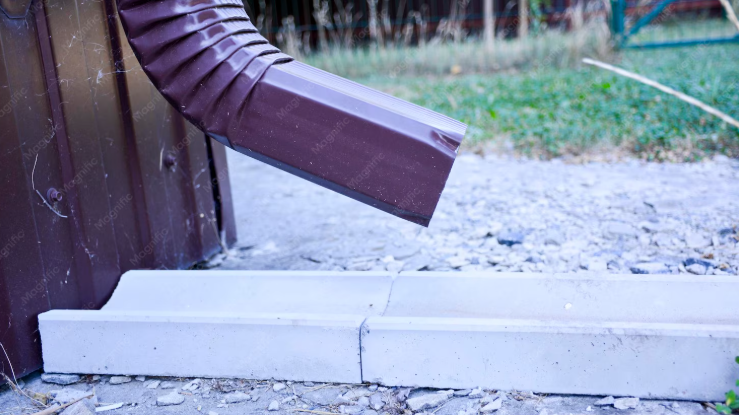
Splash blocks are placed under downspouts to guide water away from your home. Meanwhile, shallow drainage channels can help move water across your yard.
Why It Works:
Prevents soil erosion
Reduces standing water
Improves overall drainage flow
These are low-cost solutions that require minimal effort to install.
6. Maintain Your Roof and Eavestrough System
Your roof is the first line of defense against rainwater. If it’s damaged, water won’t be properly directed into your gutter system.
Key Maintenance Tips:
Replace missing or damaged shingles
Check flashing around chimneys and vents
Ensure eavestroughs are securely attached
At The Eavestrough Guy, we often see drainage issues that start at the roof level. Therefore, regular inspections are essential.
7. Add Gravel or Decorative Stones
If certain areas of your yard tend to collect water, adding gravel can help improve absorption and drainage.
Where to Use It:
Around downspouts
Low-lying areas in your yard
Along pathways or garden edges
Gravel allows water to filter through the soil more effectively, reducing puddles and mud.
8. Install a French Drain (Without Major Excavation)
While traditional French drains can be complex, there are simplified versions that don’t require major digging.
Simple Approach:
Dig a shallow trench
Fill it with gravel and a perforated pipe
Cover it with landscape fabric
This helps redirect water away from problem areas without a full renovation project.
9. Seal Foundation Cracks
Even with good drainage, small cracks in your foundation can let water seep inside.
Quick Fix:
Use waterproof sealant for minor cracks
Inspect basement walls regularly
Address issues early before they worsen
This step complements your drainage improvements and adds extra protection.
10. Regular Seasonal Maintenance
Finally, consistency is key. Drainage systems need ongoing care to remain effective.
Seasonal Checklist:
Spring: Clear debris and check for winter damage
Summer: Inspect grading and drainage flow
Fall: Clean gutters and prepare for heavy rain
Winter: Watch for ice dams and blockages
By staying proactive, you can prevent most drainage problems before they start.
Common Mistakes to Avoid
While improving drainage, many homeowners unknowingly make mistakes that reduce effectiveness.
Avoid These:
Ignoring small leaks or clogs
Letting downspouts drain too close to the house
Using improper materials for grading
Skipping regular maintenance
Even small oversights can lead to bigger issues over time.
When to Call a Professional
Although many solutions are DIY-friendly, some situations require expert help.
Consider Professional Help If:
You experience frequent basement flooding
Your gutters are severely damaged
Water pools persist despite improvements
You notice structural issues
At The Eavestrough Guy, we provide expert inspections and tailored solutions to ensure your drainage system works efficiently year-round.
Final Thoughts
Improving water drainage doesn’t have to mean tearing up your yard or investing in expensive renovations. In fact, small, strategic changes—like extending downspouts, cleaning gutters, and improving grading—can make a huge difference.
By taking a proactive approach, you can protect your home, save money, and enjoy peace of mind during every rainy season in Oshawa.
FAQs
1. How often should I clean my gutters?
At least twice a year—once in spring and once in fall. However, if your home is surrounded by trees, more frequent cleaning may be necessary.
2. How far should downspouts extend from my home?
Ideally, downspouts should direct water at least 4–6 feet away from your foundation to prevent water buildup.
3. Can I improve drainage without professional help?
Yes, many solutions like gutter cleaning, adding extensions, and using gravel are DIY-friendly and cost-effective.
4. What is the easiest way to fix standing water in my yard?
Using gravel, improving grading, or installing a simple drainage channel can quickly reduce standing water.
5. Do gutter guards really help?
Yes, gutter guards help prevent debris buildup, reduce maintenance, and improve overall drainage efficiency.
Contact Us professional gutter cleaning & eavestrough installation in Oshawa, ON
Company Name: The Eavestrough Guy
Phone Number: +1 905-409-9903
Address: 296 Phillip Murray Ave, Oshawa, ON L1J 6N8
Visit our website: Click here
Find Us On Map: View On Google Map
More Details: Click Now
Get derection: Click Now


Comments