How to Improve Water Drainage Efficiency Without Major Renovations
- theeavestroughguy8
- Apr 18
- 5 min read
By The Eavestrough Guy | Roofing & Gutter Specialists in Oshawa, ON
Water drainage plays a crucial role in protecting your home from costly damage. In a place like Oshawa, ON—where seasonal rain, snowmelt, and sudden storms are common—poor drainage can quickly lead to foundation issues, roof leaks, basement flooding, and exterior deterioration.
The good news is this: you don’t always need expensive or major renovations to improve water drainage efficiency. In many cases, small, strategic improvements and proper maintenance can significantly enhance how water moves away from your property.
In this guide from The Eavestrough Guy, we’ll break down practical, cost-effective ways to improve drainage performance around your home without tearing everything apart.

Why Water Drainage Efficiency Matters
Before jumping into solutions, it’s important to understand why drainage efficiency is so critical.
When water is not properly directed away from your home, it can:
Pool around your foundation and weaken structural integrity
Cause basement leaks or flooding
Damage siding, bricks, and exterior paint
Lead to roof edge rot and fascia deterioration
Increase ice buildup in winter, creating safety hazards
Therefore, even small improvements in drainage can save thousands of dollars in future repairs.
1. Clean Your Gutters and Eavestroughs Regularly
One of the simplest yet most effective ways to improve drainage is regular cleaning of your gutter system.
Over time, gutters collect:
Leaves
Twigs
Dirt and roof debris
Shingle granules
When clogged, water cannot flow properly and will overflow, often directly down your home’s foundation.
Why this works
Clean gutters allow rainwater to move smoothly through the eavestrough system and down the downspouts, preventing overflow and pooling.
Recommended maintenance
Clean gutters at least twice a year (spring and fall)
Check more frequently if you have overhanging trees
Inspect after major storms
If climbing ladders isn’t safe or practical, professional gutter cleaning services can ensure a more thorough job.
2. Check and Adjust Gutter Slope (Pitch)
Many homeowners don’t realize that gutters must be installed with a slight slope to function properly.
If gutters are too flat—or worse, sloping the wrong way—water will sit instead of flowing.
Ideal slope
A proper gutter slope is typically:
About ¼ inch drop for every 10 feet
Signs of improper slope
Standing water in gutters
Overflow even when gutters are clean
Visible sagging sections
Why this matters
Correct slope ensures gravity naturally guides water toward downspouts, improving overall drainage efficiency without changing the entire system.
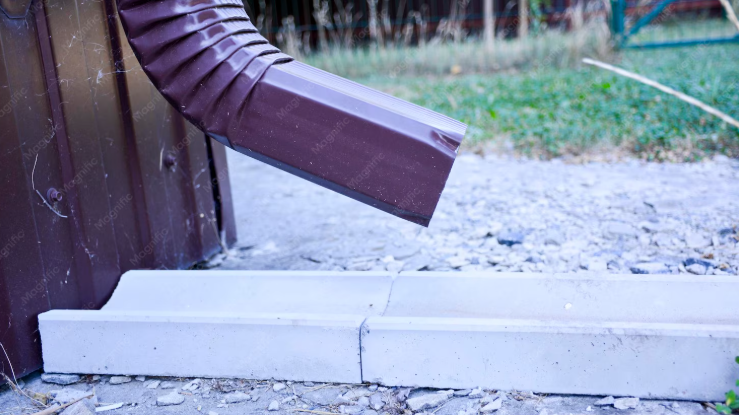
3. Extend Downspouts Away from the Foundation
One of the most overlooked drainage improvements is downspout extension.
Even if your gutters are working perfectly, water can still pool near your foundation if it is discharged too close to your home.
Simple solution options
Downspout extension pipes
Flexible drain tubes
Splash blocks
Underground drain extensions (if needed)
Why it helps
Redirecting water just a few feet farther away reduces soil saturation near the foundation and helps prevent basement moisture problems.
4. Install or Upgrade Gutter Guards
Gutter guards are a smart upgrade that significantly reduce clogging issues.
They act as a barrier that prevents leaves and debris from entering the gutter system while still allowing water to flow through.
Types of gutter guards
Mesh screens
Aluminum covers
Foam inserts
Reverse curve systems
Benefits
Less frequent cleaning
Reduced clogging risk
Better long-term water flow
Protection against ice buildup in winter
While not a full replacement, gutter guards can dramatically improve drainage efficiency with minimal structural change.
5. Improve Soil Grading Around Your Home
Sometimes drainage problems are not caused by gutters at all, but by how the ground around your home is shaped.
If your yard slopes toward your house, water will naturally flow in that direction.
What proper grading looks like
The ground should slope away from the foundation to guide water outward.
Simple improvements
Add topsoil to low areas near the house
Re-grade soil around foundation edges
Fill depressions where water collects
Why this matters
Even the best gutter system cannot compensate for poor ground grading. Combining both ensures maximum drainage efficiency.
6. Keep Your Roof in Good Condition
Your roof is the first point of water collection. If it is damaged or aging, drainage issues often start there.
Common roof-related drainage problems
Missing or damaged shingles
Poor flashing around chimneys or vents
Ice dam formation in winter
Roof valleys blocked by debris
Simple maintenance steps
Inspect roof twice a year
Replace damaged shingles quickly
Ensure flashing is sealed properly
Remove debris after storms
A healthy roof ensures smoother water flow into gutters, reducing strain on your drainage system.
7. Install Rain Barrels for Controlled Water Flow
Rain barrels are a simple, eco-friendly way to manage excess runoff from your roof.
Instead of allowing all water to flow directly into the ground, a portion is collected and stored.
Benefits
Reduces immediate water load on drainage system
Helps with garden irrigation
Prevents localized pooling
Important tip
Make sure overflow outlets are directed away from your foundation to maintain proper drainage balance.
8. Add Simple Surface Drainage Solutions
You don’t need major excavation work to improve surface drainage.
Small additions can make a big difference.
Examples include:
Channel drains along walkways
Gravel trenches in problem areas
Splash pads under downspouts
Permeable landscaping materials
Why it works
These solutions help guide water away from high-risk areas without changing the entire landscape.
9. Inspect and Seal Cracks Around Foundation
Even with good drainage systems, water can still enter through small foundation cracks.
What to check
Visible cracks in basement walls
Gaps around window wells
Small leaks after heavy rain
Simple fixes
Waterproof sealants
Foundation crack injection (for minor issues)
Exterior sealing compounds
While not a replacement for drainage improvements, sealing helps protect your home from moisture intrusion.
10. Schedule Seasonal Professional Inspections
Finally, one of the smartest ways to maintain drainage efficiency is to have a professional inspection once or twice a year.
A trained roofing and gutter specialist can:
Identify hidden blockages
Check slope and alignment issues
Inspect eavestrough integrity
Recommend small but effective improvements
At The Eavestrough Guy, we often find that minor adjustments—like re-securing brackets or clearing hidden blockages—can restore full drainage performance without any major renovation work.
Final Thoughts
Improving water drainage efficiency doesn’t always require expensive renovations or major construction projects. In many cases, it comes down to smart maintenance, small upgrades, and regular inspections.
By cleaning gutters, adjusting slope, extending downspouts, improving grading, and maintaining your roof, you can dramatically reduce water-related risks around your home in Oshawa, ON.
Most importantly, these small steps work together. When combined, they create a strong, reliable drainage system that protects your home year-round.
At The Eavestrough Guy, we believe prevention is always better than repair. A well-maintained drainage system today can save you from major structural problems tomorrow.
FAQs
1. How often should I clean my gutters?
You should clean your gutters at least twice a year—once in spring and once in fall. Homes with many trees may need more frequent cleaning.
2. What is the easiest way to improve drainage without renovation?
The simplest method is cleaning gutters and extending downspouts away from your home’s foundation.
3. Do gutter guards really improve drainage?
Yes, gutter guards reduce debris buildup, helping water flow more freely and reducing clogging issues.
4. Why does water pool around my house even with gutters?
This is usually caused by poor ground grading or downspouts releasing water too close to the foundation.
5. Can small drainage issues cause serious damage?
Yes. Even minor drainage problems can lead to basement leaks, foundation damage, and long-term structural issues if ignored.
Contact Us professional gutter cleaning & eavestrough installation in Oshawa, ON
Company Name: The Eavestrough Guy
Phone Number: +1 905-409-9903
Address: 296 Phillip Murray Ave, Oshawa, ON L1J 6N8
Visit our website: Click here
Find Us On Map: View On Google Map
More Details: Click Now
Get derection: Click Now


Comments