How to Identify Early Warning Signs of Roof Drainage Problems Before Damage Occurs
- theeavestroughguy8
- May 5
- 5 min read
When it comes to protecting your home, the roof is only part of the story. Just as important is the drainage system that carries water safely away from your house. At The Eavestrough Guy, a trusted gutter cleaning, and eavestrough installation service provider in Oshawa, ON, we often see homeowners wait until serious damage occurs before addressing drainage issues.
The truth is simple: roof drainage problems rarely happen overnight. They develop slowly, showing small warning signs long before costly repairs are needed. If you know what to look for, you can prevent water damage, structural issues, and expensive renovations.
In this detailed guide, you’ll learn how to identify early warning signs of roof drainage problems, what causes them, and how to prevent long-term damage.

Why Roof Drainage Systems Matter More Than You Think
Your roof drainage system—including gutters, downspouts, and eavestroughs—plays a critical role in protecting your home. Its main job is to direct rainwater and melting snow away from your roof, walls, foundation, and landscaping.
When the system is working properly, water flows smoothly away from your home. However, when it becomes clogged, damaged, or poorly installed, water begins to collect where it shouldn’t. Over time, this leads to:
Roof leaks
Foundation cracks
Basement flooding
Mold growth
Fascia and soffit damage
That’s why early detection is so important. Small signs today can prevent major repairs tomorrow.
Early Warning Signs of Roof Drainage Problems
Let’s break down the most common signs that your roof drainage system may be failing.
1. Water Overflowing from Gutters
One of the most obvious signs is water spilling over the sides of your gutters during rainfall. This usually indicates a blockage caused by:
Leaves and debris
Dirt buildup
Ice formation in winter
When water overflows, it falls directly near your home’s foundation, increasing the risk of basement leaks and soil erosion.
2. Sagging or Pulling Gutters
If your gutters look uneven, bent, or detached from the roofline, this is a clear warning sign. Sagging usually happens due to:
Excess weight from clogged debris
Water buildup
Weak fasteners or aging installation
Ignoring this issue can eventually lead to gutter collapse.
3. Water Stains on Exterior Walls
Dark streaks or stains on the outside walls of your home often indicate that water is not being properly directed through the drainage system. Instead, it is spilling down the siding.
Over time, this can lead to:
Paint damage
Rotting wood
Mold and mildew growth
4. Pooling Water Near the Foundation
After heavy rain, check around your home’s base. If you notice standing water, it may be due to improper gutter drainage or blocked downspouts.
This is a serious issue because long-term water exposure can weaken your foundation and lead to costly structural repairs.
5. Basement Dampness or Leaks
A poorly functioning roof drainage system often shows its first indoor symptoms in the basement. Look for:
Damp walls
Musty smell
Visible water seepage
Even small leaks should not be ignored, as they can quickly escalate into mold problems.
6. Mold or Mildew Growth
Excess moisture caused by poor drainage creates the perfect environment for mold and mildew. You might notice:
Black or green spots on walls
A persistent musty odor
Allergy-like symptoms indoors
Mold is not just a structural issue—it can also affect your health.
7. Cracked or Damaged Fascia and Soffits
The fascia boards (where gutters are attached) and soffits (underside of roof edges) are highly vulnerable to water damage. If gutters overflow regularly, these areas may begin to rot or crack.
Signs include:
Soft or crumbling wood
Peeling paint
Visible mold or discoloration
8. Plant or Weed Growth in Gutters
If you see grass, moss, or even small plants growing in your gutters, it means debris has been sitting there for a long time. This blocks water flow and increases weight pressure on the system.
9. Ice Dams in Winter
In colder months, ice dams can form when gutters are blocked or poorly insulated. These dams prevent melting snow from draining properly, forcing water back under the roof shingles.
This can lead to:
Roof leaks
Interior ceiling damage
Structural weakening
10. Slow Water Flow from Downspouts
Downspouts should release water quickly and efficiently. If water trickles or backs up, there may be a blockage or improper slope in the system.
Common Causes of Roof Drainage Problems
Understanding the root cause helps prevent future issues. The most common causes include:
Lack of regular gutter cleaning
Improper installation of eavestroughs
Aging or damaged roofing materials
Heavy storms and seasonal debris buildup
Poor roof slope design
Even high-quality systems require maintenance to stay effective.
How to Prevent Roof Drainage Issues
Prevention is always more affordable than repairs. Here are practical steps you can take:
✔ Regular Gutter Cleaning
Clean your gutters at least twice a year—once in spring and once in fall.
✔ Install Gutter Guards
These help reduce debris buildup and improve water flow.
✔ Schedule Professional Inspections
A roofing expert can identify small issues before they turn into major problems.
✔ Ensure Proper Downspout Placement
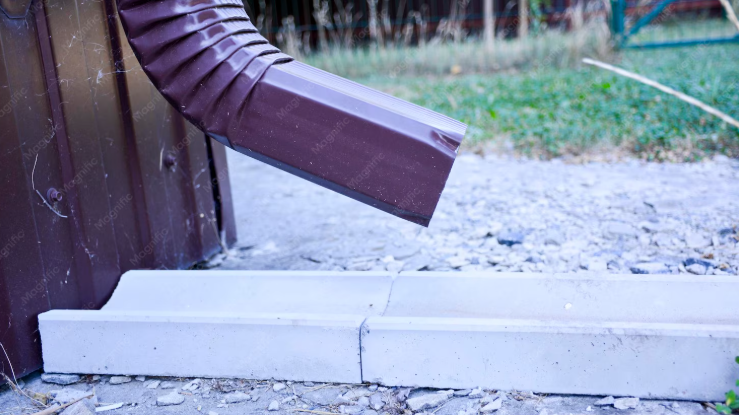
Downspouts should direct water at least a few feet away from your foundation.
✔ Repair Small Issues Immediately
Never ignore loose gutters, leaks, or minor cracks.
Why Professional Help Matters
While some maintenance can be done by homeowners, roof drainage systems require expertise for proper inspection and repair. At The Eavestrough Guy, we specialize in identifying hidden issues that are often missed during DIY checks.
Professional services ensure:
Proper water flow design
Secure gutter installation
Long-term structural protection
Safe cleaning and repair
In a city like Oshawa, where seasonal rain and snow can be heavy, having a reliable drainage system is essential for protecting your property year-round.
Final Thoughts
Roof drainage problems don’t start with major leaks—they start with small, easy-to-miss warning signs. By paying attention to early indicators like overflowing gutters, wall stains, or basement moisture, you can protect your home before serious damage occurs.
Regular maintenance, timely inspections, and professional support from experts like The Eavestrough Guy can save you thousands of dollars in future repairs.
Your roof may shield your home from above, but your drainage system protects everything below it.
Frequently Asked Questions (FAQs)
1. How often should I clean my gutters?
You should clean your gutters at least twice a year, typically in spring and fall. If you have many trees nearby, more frequent cleaning may be necessary.
2. What happens if I ignore clogged gutters?
Clogged gutters can lead to water overflow, foundation damage, basement leaks, mold growth, and roof deterioration.
3. Can I inspect roof drainage problems myself?
Yes, you can do basic visual checks from the ground, but professional inspections are recommended for hidden or structural issues.
4. What is the lifespan of a typical eavestrough system?
A properly installed and maintained eavestrough system can last 20–30 years, depending on materials and weather conditions.
5. How do I know if I need gutter replacement instead of repair?
If your gutters are heavily rusted, sagging, frequently leaking, or pulling away from the roof, replacement is often the better option.
Contact Us professional gutter cleaning & eavestrough installation in Oshawa, ON
Company Name: The Eavestrough Guy
Phone Number: +1 905-409-9903
Address: 296 Phillip Murray Ave, Oshawa, ON L1J 6N8
Visit our website: Click here
Find Us On Map: View On Google Map
More Details: Click Now
Get derection: Click Now


Comments