How Downspout Placement Impacts Water Flow Around Your Property
- theeavestroughguy8
- Mar 24
- 5 min read
When it comes to protecting your home from water damage, most homeowners focus on roofing materials or gutter quality. However, one small but powerful detail is often overlooked—downspout placement. The way your downspouts are positioned can significantly affect how water flows around your property, and ultimately, how well your home is protected.
At The Eavestrough Guy, we’ve seen firsthand how improper downspout placement can lead to costly repairs. So, let’s explore this topic in a simple and practical way, so you can better understand how it works and why it matters.
What Is a Downspout and Why Is It Important?
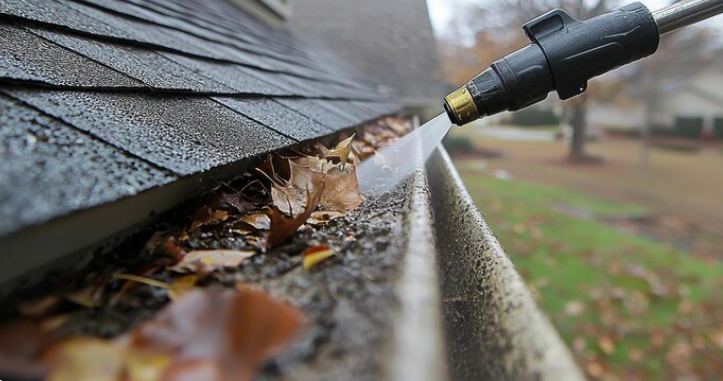
A downspout is the vertical pipe that carries rainwater from your gutters down to the ground. While gutters collect water from your roof, downspouts control where that water goes.
Without proper placement, rainwater can:
Pool near your foundation
Damage landscaping
Cause basement leaks
Lead to erosion around your home
So, in simple words, downspouts act like a guide—they direct water safely away from your property.
How Water Flows Around Your Property
To understand the importance of downspout placement, you first need to understand how water behaves.
When it rains:
Water falls on your roof
It flows into your gutters
Gutters channel it toward downspouts
Downspouts release the water at ground level
Now, here’s the key point:👉 Where the downspout releases water determines what happens next.
If water is directed too close to your home, it can soak into the soil and create pressure on your foundation. Over time, this leads to cracks, leaks, and structural damage.
Why Downspout Placement Matters So Much
1. Protects Your Foundation
Your home’s foundation is the most important structure. When water collects near it, the soil expands and contracts. This can cause:
Foundation cracks
Basement flooding
Long-term structural issues
Properly placed downspouts direct water at least 4–6 feet away from your home, reducing this risk.
2. Prevents Basement Leaks
Water naturally flows downward. If your downspouts dump water right beside your home, it can easily seep into your basement walls.
This is especially important in areas with heavy rain or snowmelt. A simple adjustment in downspout direction can save you from expensive waterproofing repairs.
3. Reduces Soil Erosion
When water is released in one concentrated area, it can wash away soil. This leads to:
Uneven ground
Exposed roots
Damaged landscaping
By placing downspouts strategically, you can distribute water more evenly and protect your yard.
4. Protects Driveways and Walkways
Improper water flow can damage hard surfaces like concrete and asphalt. Over time, this can cause:
Cracks
Sinking areas
Ice buildup in winter
Correct downspout placement ensures water flows away from these surfaces.
Common Downspout Placement Mistakes
Even well-built homes can have poorly placed downspouts. Here are some common mistakes to avoid:
❌ Too Close to the Foundation
Many homes release water just a few inches from the base. This is one of the biggest causes of water damage.
❌ Pointing Toward the House
Sometimes downspouts are angled incorrectly, causing water to flow back toward the home instead of away.
❌ Not Enough Downspouts
If your roof area is large, you need more downspouts to handle the water. Otherwise, overflow can occur.
❌ Poor Drainage Area
Even if the downspout extends away from the house, placing it in a low or poorly drained area can still cause problems.
Ideal Downspout Placement Guidelines
To ensure proper water flow, follow these simple guidelines:
✔ Extend Away from the Home
Downspouts should direct water at least 4–6 feet away from your foundation.
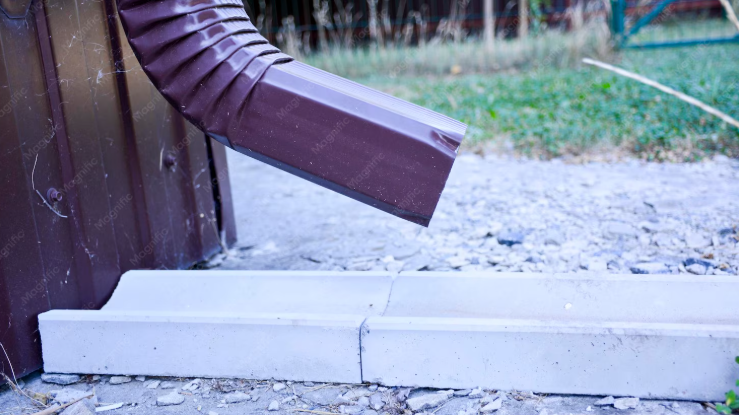
✔ Use Extensions or Splash Blocks
These help guide water further away and prevent soil erosion.
✔ Direct Water Toward a Safe Drainage Area
Choose areas like:
Sloped ground
Drainage systems
Rain gardens
✔ Ensure Proper Slope
The ground around your home should slope away, helping water flow naturally.
Different Downspout Solutions for Better Water Flow
Sometimes, basic placement isn’t enough. In such cases, you can use additional solutions:
1. Downspout Extensions
These are simple attachments that carry water further away from your home.
2. Underground Drain Systems
Water is directed through pipes buried underground, safely away from your property.
3. Rain Barrels
You can collect rainwater for reuse while reducing water flow near your foundation.
4. Splash Blocks
These sit at the base of your downspout and help disperse water.
Seasonal Considerations in Oshawa, ON
If you live in Oshawa, seasonal changes can affect how your downspouts perform.
Heavy Rainfall
Spring and summer storms can overwhelm poorly placed downspouts, causing overflow and flooding.
Snow and Ice
In winter, ice can block downspouts, leading to ice dams and water backup.
Falling Leaves
Clogged gutters can prevent proper water flow, making even well-placed downspouts ineffective.
That’s why regular gutter cleaning and inspection are essential.
Signs Your Downspouts Are Not Working Properly
You don’t need to be an expert to spot problems. Watch for these signs:
Water pooling near your home
Damp or musty basement
Cracks in your foundation
Eroded soil around downspouts
Overflowing gutters during rain
If you notice any of these, it’s time to inspect your downspout placement.
How Professional Services Can Help
While some adjustments are simple, others require professional expertise.
At The Eavestrough Guy, we provide:
Professional gutter cleaning
Downspout repositioning
Custom eavestrough installation
Drainage solutions for long-term protection
Our team understands the unique weather conditions in Oshawa, ON, and can design a system that works efficiently year-round.
Simple Tips for Homeowners
Here are a few easy things you can do today:
Check where your downspouts discharge water
Add extensions if needed
Clean your gutters regularly
Inspect after heavy rain
Ensure the ground slopes away from your home
These small steps can make a big difference.
Final Thoughts
Downspout placement may seem like a small detail, but it plays a huge role in protecting your home. Proper placement ensures that water flows safely away from your property, preventing damage to your foundation, basement, and landscaping.
By understanding how water moves and making simple adjustments, you can avoid costly repairs and keep your home safe for years to come.
If you’re unsure about your current setup, it’s always a good idea to consult professionals who can assess and improve your drainage system.
FAQs (Short Answers)
1. How far should downspouts extend from the house?
Downspouts should extend at least 4 to 6 feet away from your home’s foundation.
2. Can poor downspout placement cause basement flooding?
Yes, if water collects near the foundation, it can seep into the basement and cause leaks.
3. What is the best direction for downspouts?
They should direct water toward sloped ground or drainage areas, away from your home.
4. Do I need more than one downspout?
Yes, larger roofs require multiple downspouts to handle water efficiently.
5. How often should I check my downspouts?
You should inspect them at least twice a year and after heavy storms.
Contact Us professional gutter cleaning & eavestrough installation in Oshawa, ON
Company Name: The Eavestrough Guy
Phone Number: +1 905-409-9903
Address: 296 Phillip Murray Ave, Oshawa, ON L1J 6N8
Visit our website: Click here
Find Us On Map: View On Google Map
More Details: Click Now
Get derection: Click Now


Comments